
IPC vs PLC: When to choose an industrial PC for Automation?
Boundaries in industrial automation between the PLC (Programmable Logic Controller) and the IPC (Industrial PC) are increasingly blurring. Although both systems control machines, they fundamentally have different strengths. Choosing incorrectly can result in costly downtimes, high replacement costs, or insufficient processing power for advanced applications such as machine vision or edge AI.
What exactly is an IPC (Industrial PC)?
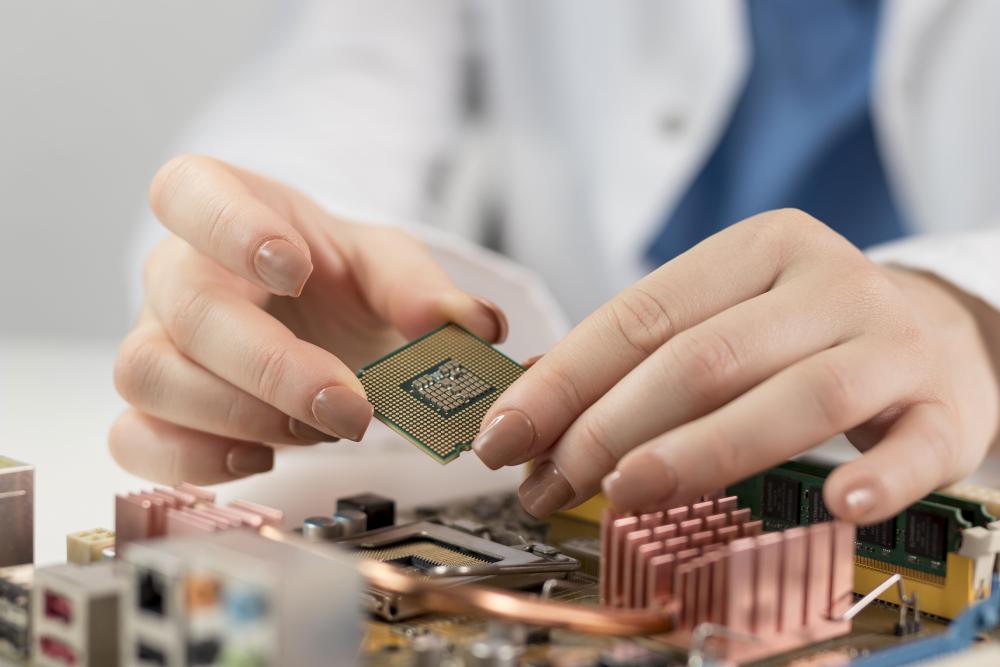
An IPC is essentially a computer based on x86 architecture but specifically designed to be much more robust to challenge conditions in factory environments. While the PLC excels in simple repetitive logic, an IPC is designed for complex data processing tasks and extreme conditions.
Here are the five key characteristics of industrial hardware:
- Fanless design: With no moving parts, it prevents dust and dirt from entering.
- Thermal resistance: Operates at extreme temperatures (often from -20°C up to +70°C).
- Vibration resistance: Built to withstand the constant vibrations produced by heavy machinery.
- Long term availability: Components are typically available for 10+ years (vital for the lifecycle of industrial machinery).
- Industrial power supply: Direct integration with 24VDC and designed for mounting on a DIN-rail or panel.
PLC vs. IPC: Key differences at a glance.
The choice between a PLC and an IPC is based on the complexity of the application and the level of IT system integration required.
| Property | PLC (Controller) | IPC (Industrial PC) |
|---|---|---|
| Operating system | Real-time (proprietary) | Windows LTSC / Linux |
| Computing power | Limited (focus towards I/O) | High (focus toward Data/AI) |
| Data storage | Minimum | Extensive (SSD/HDD) |
| Specialization | Machine control | Vision, SQL, SCADA, AI |
When should an IPC be used?
Based on real-world industrial project experience, IPCs are ideal for the following scenarios:
- Machine Vision & Inspection: For camera analysis processing dozens of images per minute.
- Edge Computering and IIoT: For filtering data locally before sending, it to the cloud (Azure/AWS).
- Complex HMI: When interfaces require 3D visualizations or ERP integration.
- Data Logging: For continuous, compliant storage of process data in regulated industrial intelligence and connectivity.
"An IPC is not just a replacement for a PLC, but the powerhouse that enables modern industrial intelligence and connectivity."
Why a standard Desktop PC is often more expensive:
Although a consumer grade PC might seem cheaper at first, issues such as rapid hardware obsolescence and unexpected Windows updates that can disrupt production are common in factory environments. A professional IPC runs Windows LTSC and is designed to resist electromagnetic interference (EMI) from large motors.
How to choose the right hardware.
When making a purchase, key considerations should include modular expandability (e.g. additional connections for Profnet or EtherCAT), remote management capabilities, and appropriate certifications (like UL or ATEX), specific to your industry.
Need help selecting the right configuration for your project? Our experts are available to guide you in finding the perfect balance between computing power, environment conditions, and long-term availability.